
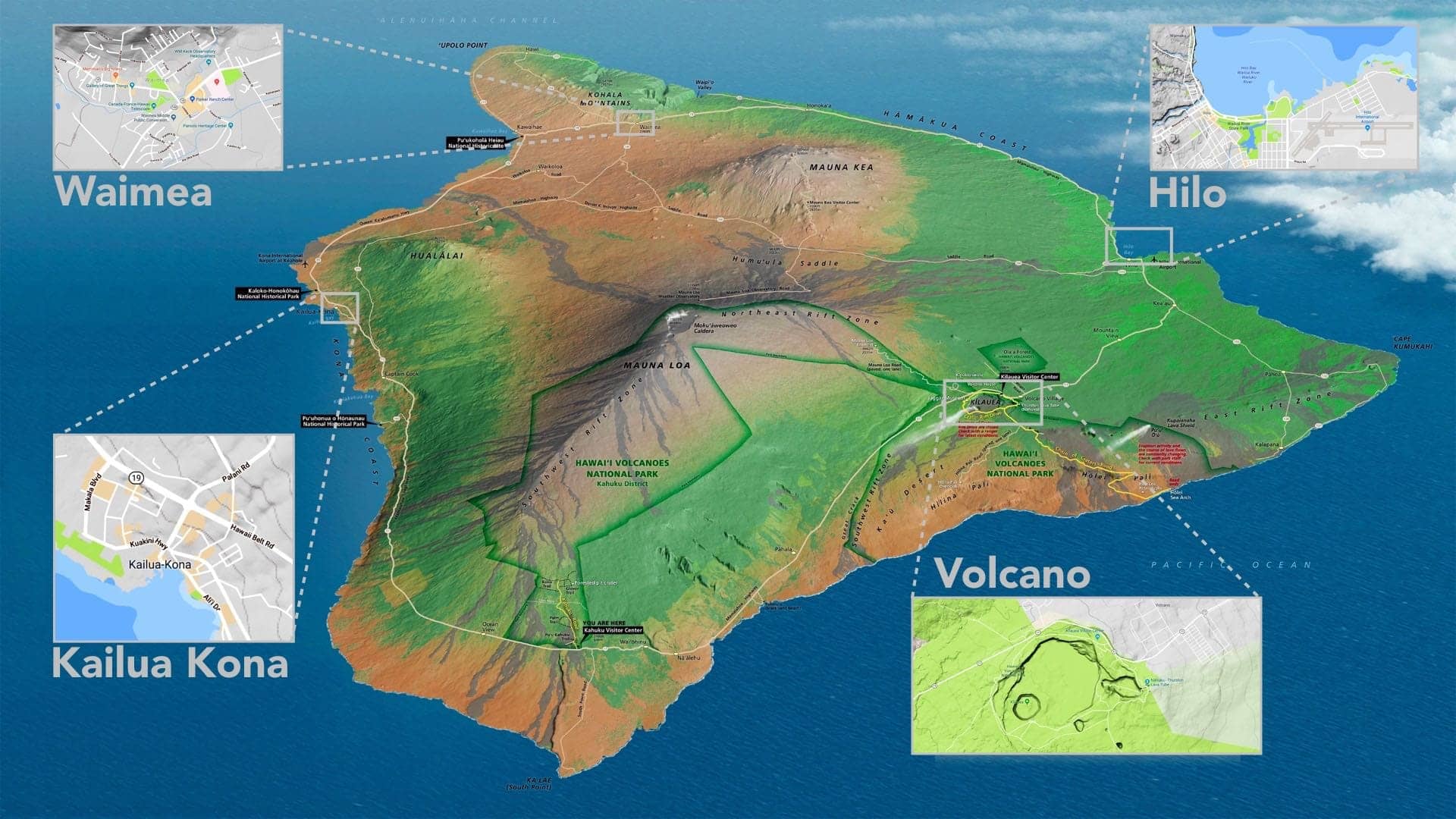
One island has 8 of the world’s 13 climate zones, so a single drive takes you from the black-sand beach and basking turtles at Punaluʻu to one of the few green-sand beaches on the planet at Papakōlea. The other main sights: the Mauna Kea summit at nearly 14,000 feet, the Manta Ray night dive off Kona, and lava at Hawaiʻi Volcanoes National Park when Kīlauea is erupting, which it does in episodes, so check the current status first.
The Big Island is larger than every other Hawaiian island combined, and circling it is a full day of driving, so with a week, pick the volcano and one ocean activity over trying to see it all. Nightlife and shopping malls are close to non-existent here, so skip the island for those.
Table of contents
- A short introduction to the Big Island
- 4 coolest beaches
- 4 popular activities
- our favorite sights and destinations
- Local Hawaiian food
- Favorite local activities for Kona, Hilo, Volcano Village and Waimea.
- Which island is better? The Big Island vs. Oʻahu, Kauaʻi, and Maui.
The Big Island in a nutshell
The Big Island is officially the island of Hawaiʻi, and the nickname fits: at 4,029 square miles (10,433 square kilometers) it is the largest island in the United States, with more land than every other Hawaiian island combined.
The roughly 210,000 residents of the Big Island (about 14 percent of the state total, 2025 estimate) mostly live around the two main population centers: Hilo, the county seat, on the east coast, and Kona on the west coast.
For all those figures, Hawaiʻi is a small state: only three states (Connecticut, Delaware, and Rhode Island) have less land. Yet the Big Island alone spans nearly every climate zone on Earth.
The following video shows many of our favorite spots, with footage of Waipiʻo valley, ʻAkaka falls, Rainbow falls, the Kona coast, Mauna Kea, Pololū valley, dolphins, and a manta ray. Video credits go to Tyler Fairbank from Light Owl Productions.
If you want to read more about Hawaiʻi we recommend two pages: one with three reasons we rate the Big Island so highly, and another with 40+ facts about Hawaiʻi.
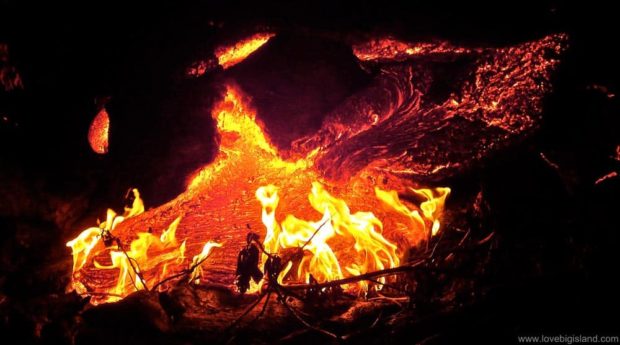
3 Good Reasons why the Big Island is so Impressive
The Big Island is home to the tallest sea mountain and the largest volcano in the world, and has 8/13 climate zones! These are our Favorite Hawaiian Records.
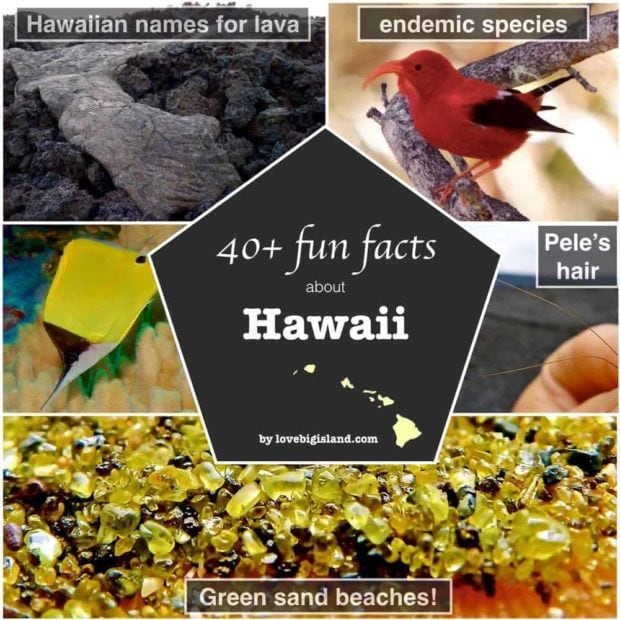
48 Big Island Facts and Trivia
Measured from the ocean floor, Maunakea stands taller than Everest. That is one of 48 Big Island facts, in alphabetical order, aloha through wiki.
Our favorite beaches on the Big Island
The Big Island has white, black, and green sand beaches, sometimes within the same day’s drive.
Our favorite beaches on the Big Island are Hapuna and Mauna Kea beach (white sand), Punaluʻu beach (black sand, plus turtles), and Papakōlea (green sand). Read more about these beaches in the following guides:
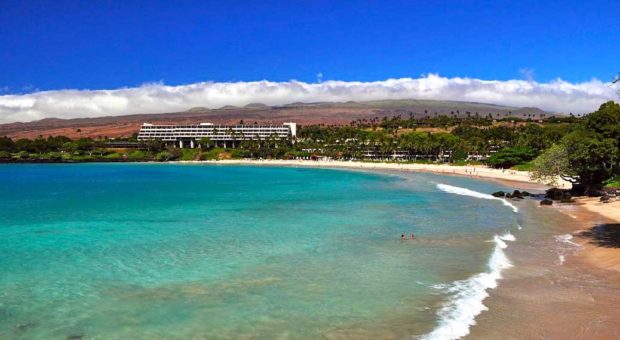
Mauna Kea Beach is public, but the lot belongs to the hotel and the few non-guest stalls go early. How non-guests get in, and where to park if you miss out.
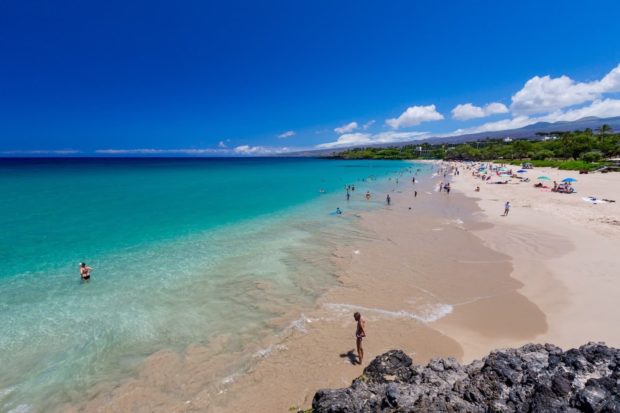
Swim, snorkel, and bodysurf off half a mile of white sand, with a lifeguard, shade, and a picnic pavilion. $5 per person plus $10 parking, free for HI residents.
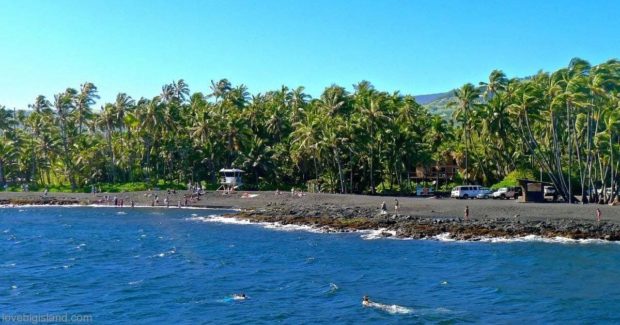
Turtles, Swimming and Snorkeling at Punaluʻu Black Sand Beach
Green sea turtles bask on the black lava sand at Punaluʻu, the most accessible black sand beach in Hawaiʻi. What to know about swimming, snorkeling, and honu.
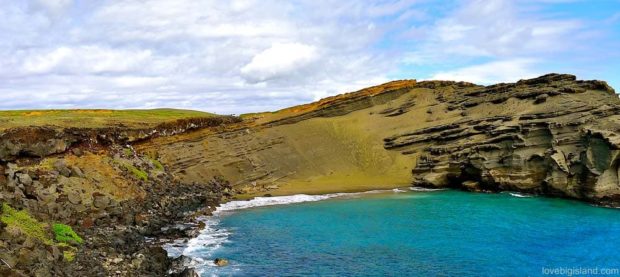
At Papakōlea roughly 90% of the sand is olivine crystal. Reaching it is a hot, shadeless 2.5-mile hike each way from South Point on the Big Island.
Want to know where black and green sand come from? Lava and crystals. Read more about why the sand is white, green, or black on these favorite Big Island beaches.
Popular activities on the Big Island
The island’s terrain includes coastal desert and alpine summit. Our favorite things to do on the Big Island are these:
Start with the lava. When Kīlauea is in an active phase, fountaining is visible from overlooks inside Hawaiʻi Volcanoes National Park, but the eruption comes in episodes, so check the current USGS eruption status before you build a day around it. You can snorkel tropical reefs in the morning and reach the nearly 14,000-foot summit of Mauna Kea by sunset. Then there is the Manta Ray night dive off the Kona coast. Read more about these activities in our guides linked below:
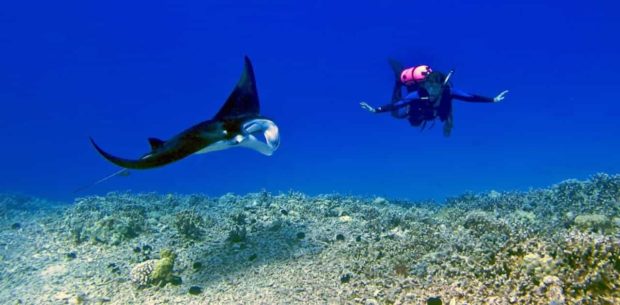
Manta Ray Night Snorkel and Dive in Kona: Sites, Prices, What to Expect
Manta rays with 12-foot wingspans feed under the boat lights off Kona most nights. Tours run $118 to $135. Snorkel or dive, and which harbor to leave from.
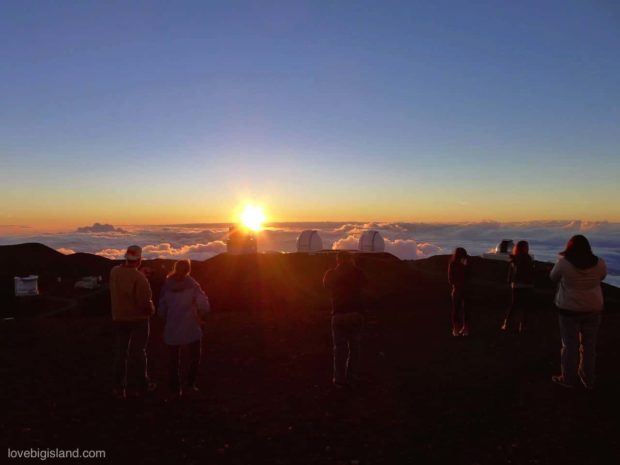
Mauna Kea Stargazing: Tours, Free Events, and the DIY Summit
You see more stars at 9,200 ft than at Mauna Kea's summit: thin air dims night vision. Free telescope nights, tours from $240, or the DIY 4WD drive.
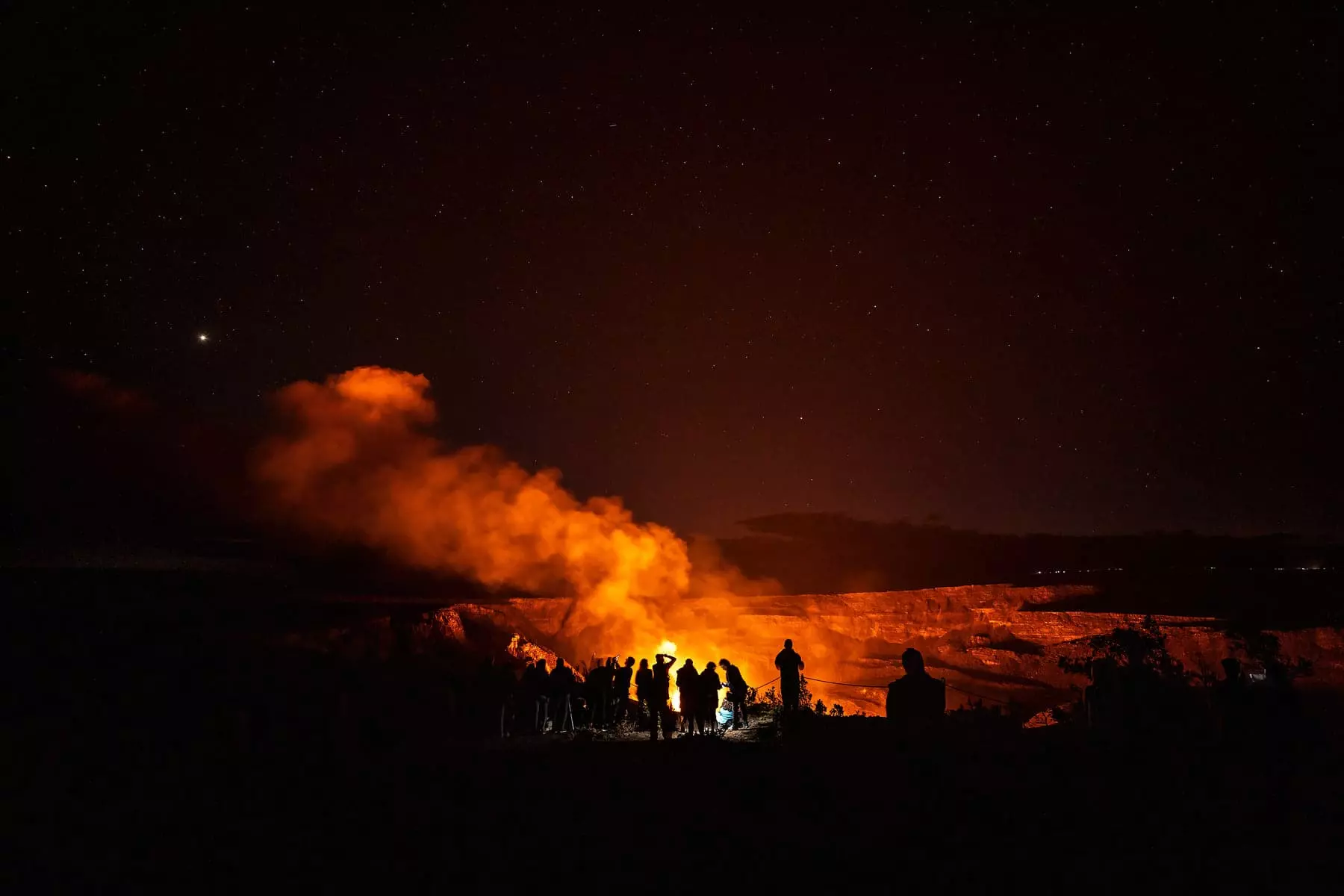
How to See Lava in Hawaiʻi (DIY, Best Tours, and 2026 Updates)
Live crater webcams and today's Halemaʻumaʻu activity. The park is 45 minutes from Hilo and 2 to 2.5 hours from Kona; Volcano Village sits at the park gate.
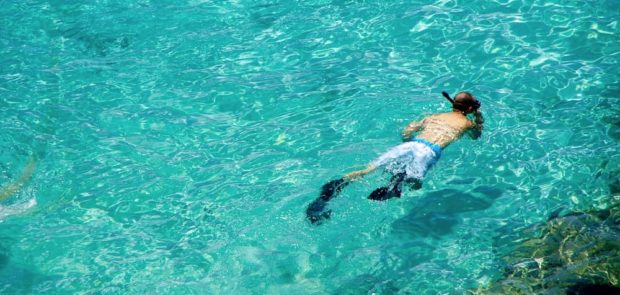
Big Island Snorkeling Guide: Kona, Hilo, Tours, and Rentals
Snorkeling guide for both Big Island coasts: Kona spots, Richardson's Ocean Park near Hilo, gear rentals from $12/day, boat tours from $118.
Our activities overview lists everything there is to do on the Big Island.
If you would rather have other people do the planning, have a look at our curated tour section, where we list a small number of tours that we know and love, that have good reviews, and that give back to the community while limiting their impact on the environment.
Big Island sights and destinations worth your time
Our roundup of the island’s most-visited sights sorts them into categories: top draws, outdoor spots, cultural sites, and kid-friendly stops. We close with a few scenic overlooks and lesser-known spots.
Read more in our list of sights and destinations on the Big Island.
Local food and snacks
What you find here, from the farm stands to the fish counter, looks nothing like the mainland.
It is easy to find local food in restaurants, farmers markets, supermarkets or, at the source, the farm or orchard.
Malasadas (Portuguese sugared fried-dough snacks) travel well when you are on the road. Try kalua pig with one of the many locally brewed beers, and Kona coffee is one of the few coffees grown commercially in the United States, so stop for a tasting.
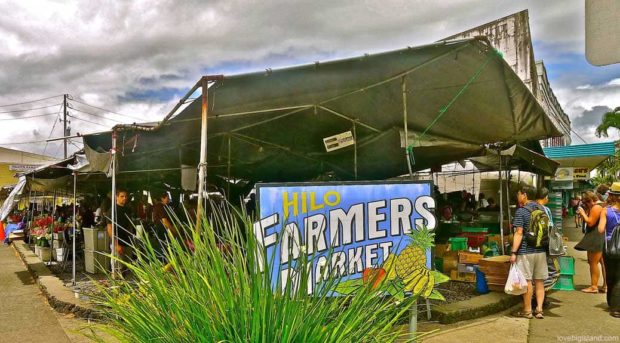
Big Island Farmers Markets: 30+ Markets With Hours and Map
The Hilo Farmers Market runs daily with 150+ vendors on its big days, plus dozens more Big Island farmers markets. Days, hours, and directions by region.
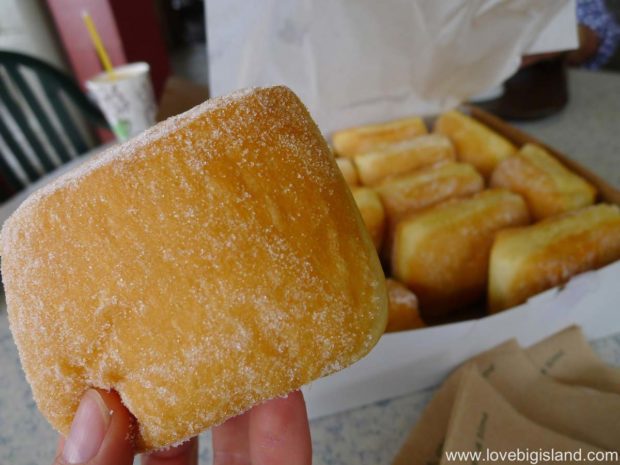
Get to know our delicious local food!
Hawaiian food is a mix of traditional local food and exotic dishes and crops. Learn about the many local snacks and specialties.
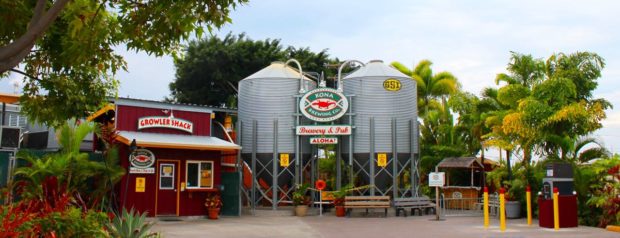
Big Island Breweries: Where to Drink Local Beer
Where to drink local beer on the Big Island: four working breweries, the $25 Kona Brewing tour by appointment, and beer festivals in March and July.
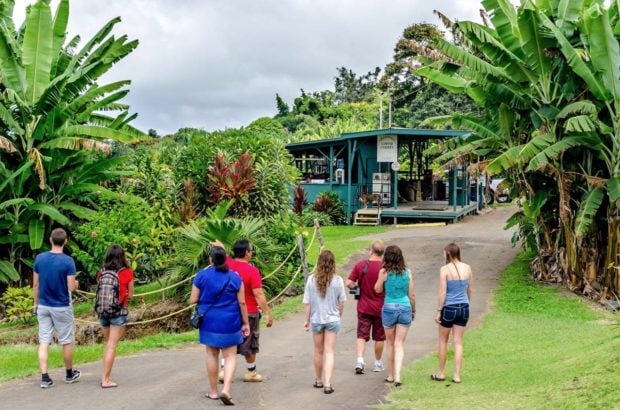
Kona Coffee Tours on the Big Island
Every Kona coffee farm tour ends in a free tasting. Six of the 15 farms are free; most paid tours run $20 to $50. Compare all 15 before you drive.
Local picks for Kona, Hilo, Volcano Village, and Waimea
One local pick for each of the island’s four main towns: Hilo, Kailua Kona, Volcano Village, and Waimea.
Kailua Kona highlights
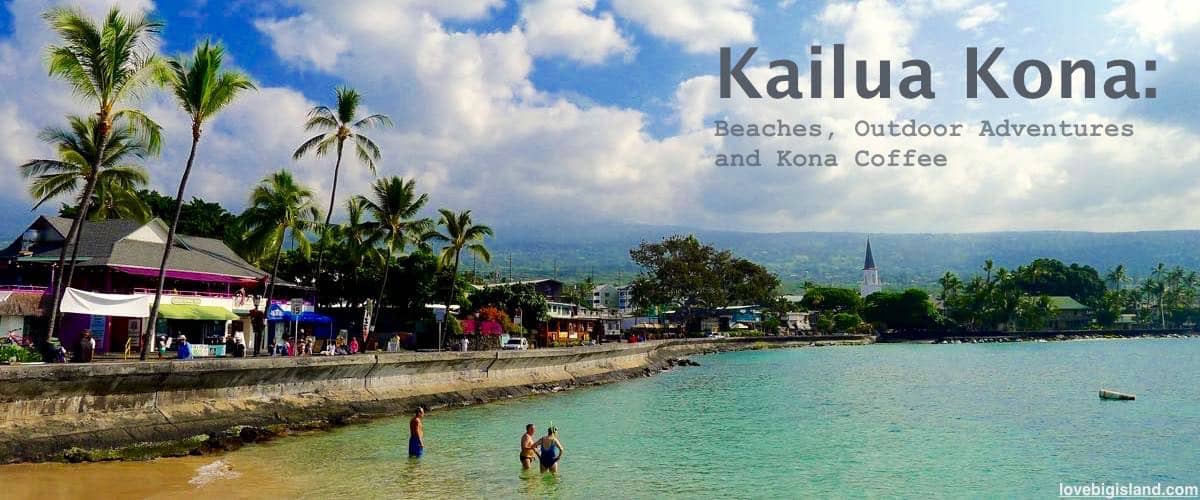
Kailua Kona: beaches, water sports and Kona coffee
While in Kona, visit one or two of the petroglyph sites near town:
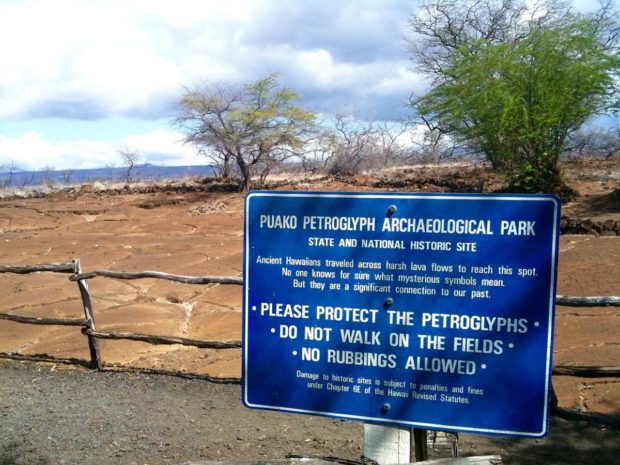
The Puakō petroglyph close to Kailua Kona on the Big Island of Hawaii has about 1,200 petroglyphs visible in the park to which access is allowed. Directions.
If you are spending more time in Kona, try some of our 5 favorite things to do in Kona.
Waimea highlights
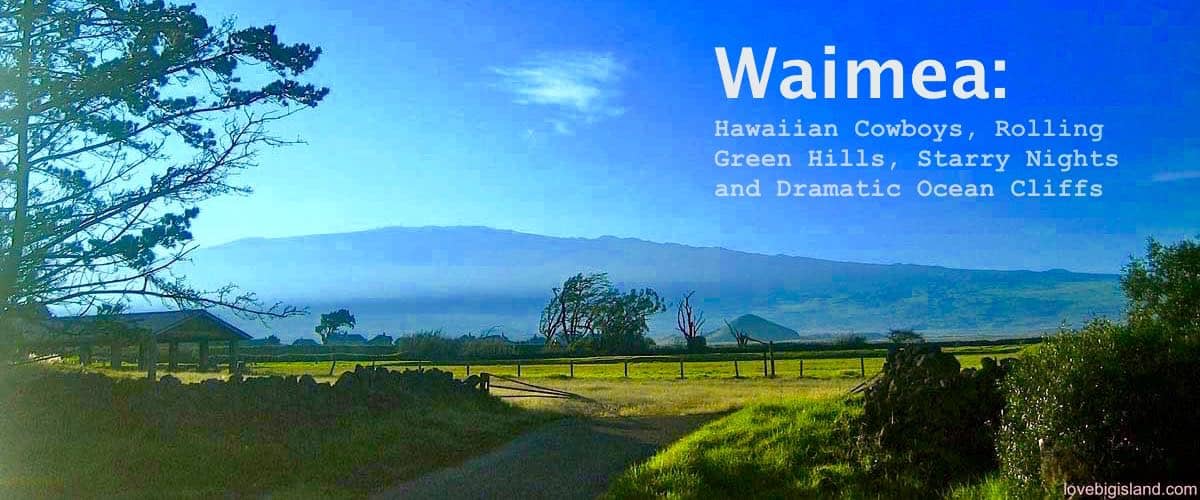
Waimea sits at 2,500 feet elevation.
While in Waimea, plan a stop at the Big Island Brewhaus for scratch-made food and house beer (open daily, 11am to 9pm). Combine it with the Waipiʻo Valley lookout nearby. Note that the valley road itself has been closed to non-residents since 2022, so you can take in the view from the overlook but cannot drive down.
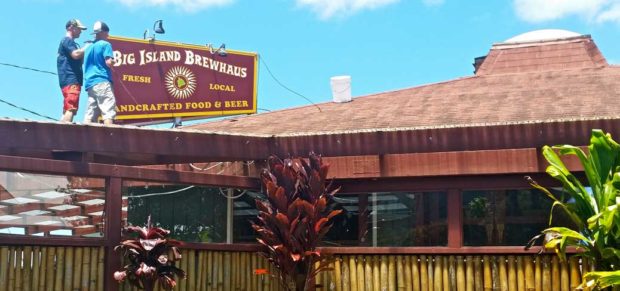
Hawaiʻi's highest brewpub, at 2,764 feet in Waimea. Open daily 11am to 9pm, no reservations, a GABF gold on the board, and most plates $16 to $22.
Read more about our favorite things to do in Waimea.
Volcano Village highlights
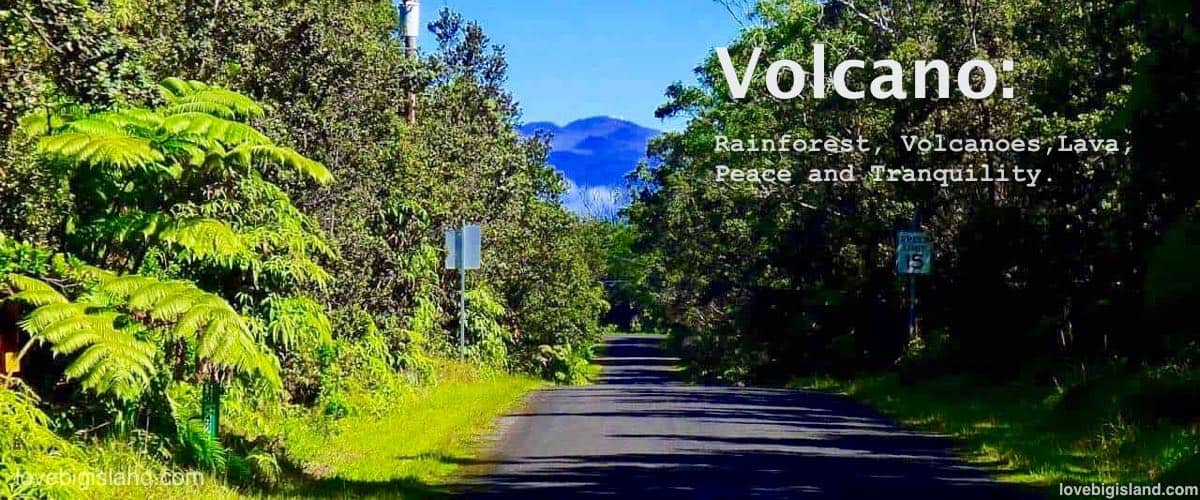
Volcano Village on the Big Island is a good base for exploring the Hawaiʻi Volcanoes National Park
If you do one thing in Volcano Village, make it Hawaiʻi Volcanoes National Park.
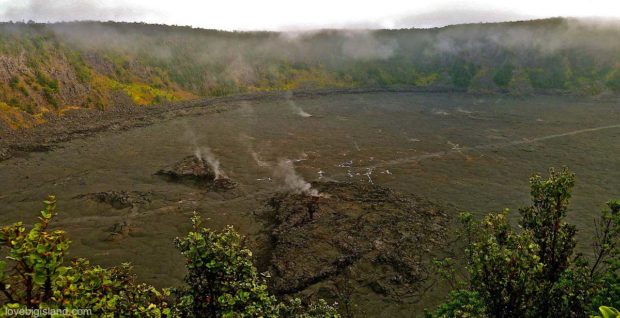
Hawaiʻi Volcanoes National Park: What to See and How Long to Stay
Plan a full day: six caldera overlooks and the 3.3-mile Kīlauea Iki loop. Bring layers: the summit is 12 to 15 degrees cooler than sea level.
If you have more time to spend in our favorite town on the Big Island, have a look at our list of things to do in Volcano Village.
Hilo highlights
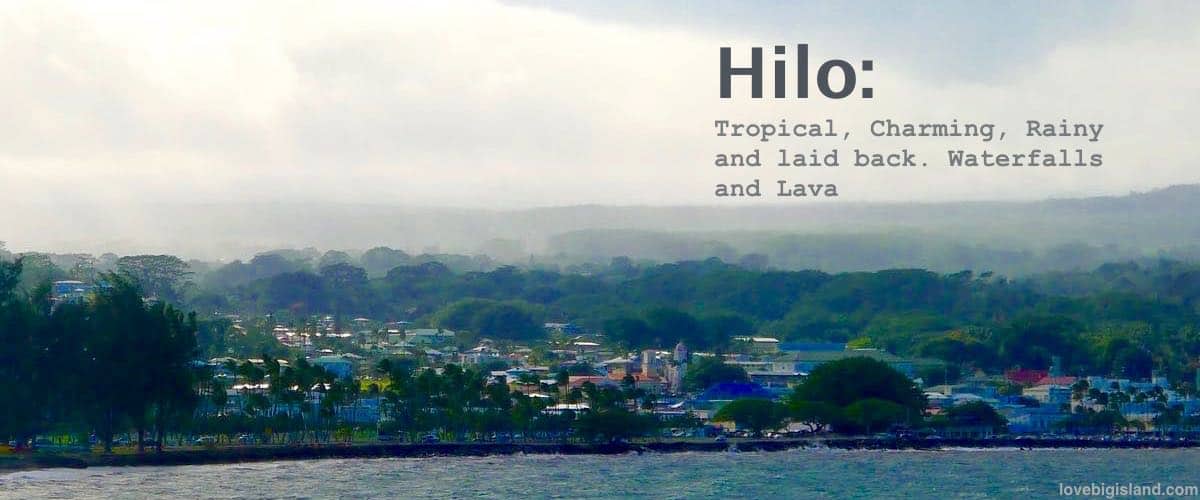
Hilo is the county seat of the Big Island
Start in Hilo at the farmers market: souvenirs, tropical fruit, and lunch to take on the road for one of the scenic drives nearby.
Hilo Farmers Market: 10 Big Island Markets with Hours and Directions
The Hilo Farmers Market runs daily, 7 AM to 3 PM, with 150+ vendors. This guide covers 10 markets from downtown Hilo to Pāhoa, 40 miles south.
Hilo is a great base for a few days. If you spend more time in the area, have a look at more of our Hilo favorites.
Hawaiian islands compared: which island is best for you?
Oʻahu, Maui, the Big Island, and Kauaʻi are the four most-visited Hawaiian islands.
The Big Island
The Big Island should be your top choice for outdoor adventures and volcanology. Our beaches come in white, black, and green sand, though Maui and Oʻahu have the better beaches overall. Nightlife and shopping malls are close to non-existent here.
Maui
Maui is what most people picture when they think of Hawaiʻi: a mix of beaches, volcanoes, palm trees, and tropical agriculture. It has beaches on par with Oʻahu’s, two massive volcanoes, whale watching, and remote, undeveloped corners like Hana .
Maui falls between Oʻahu and the Big Island for culture, food, hotels, and outdoor options. See also our overview of most popular sights and destinations , and our list of 14 bite-sized activities on Maui .
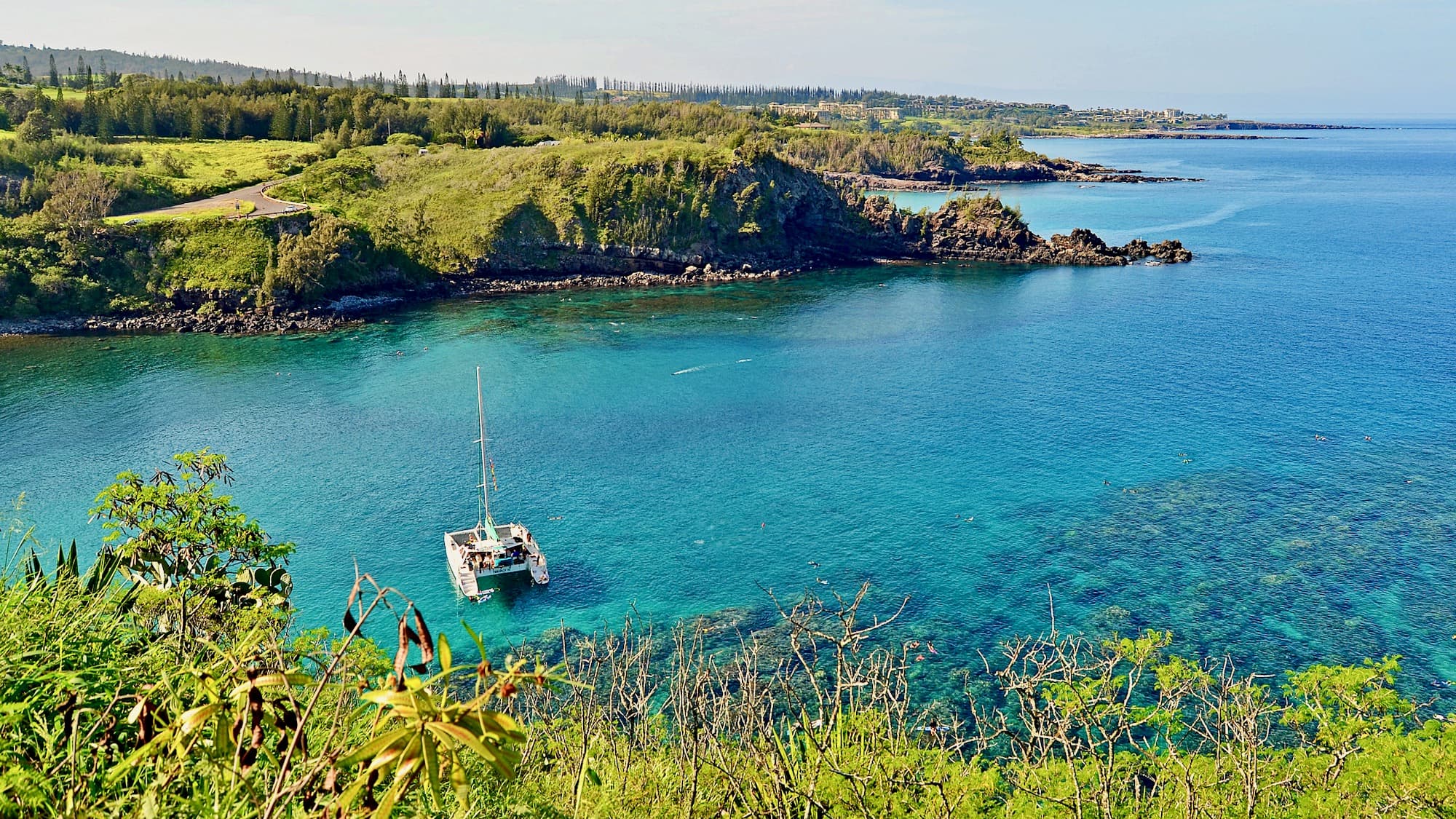
Snorkelers and a catamaran in Honolua Bay, one of the few sheltered bays to snorkel on Maui. Image credit: Edmund Garman, source.
Oʻahu
Oʻahu is the most varied of the Hawaiian islands, with a wide mix of people, landscapes, and lifestyles. Oʻahu has the city of Honolulu plus the laid-back beaches and big waves of the north shore, so most of what Hawaiʻi has is on one island. If your trip is mostly beach-hopping plus culture, food, drinks, and nightlife, pick Oʻahu.
As the most densely populated and most-visited island, it is harder to escape traffic and crowds.
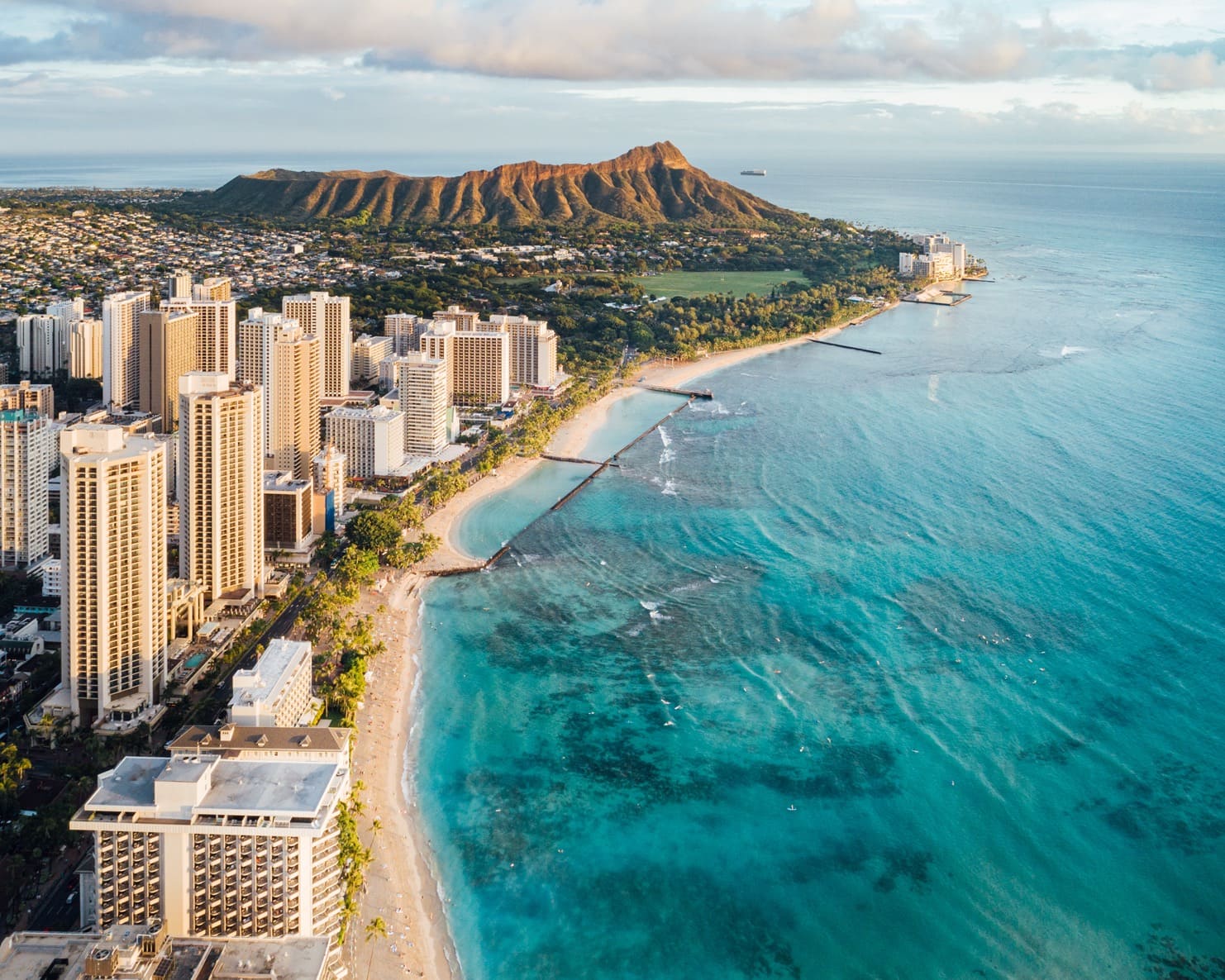
Waikiki Beach on Oʻahu with Lēʻahi (Diamond Head) in the background. Credit: Hawaii Tourism Authority (HTA) / Vincent Lim
Kauaʻi
Kauaʻi, the Garden Island, is the oldest island in Hawaiʻi’s modern-day chain. As volcanoes age, they sink and erode, and about five million years of weathering have carved Kauaʻi into a deeply sculpted landscape, with natural features no other island has.
With a population under 75,000, Kauaʻi is a small-town island of open space, protected preserves, and old plantation history. Waimea Canyon and the Nāpali Coast are its two main sights, and its hiking is some of the best in the islands.
See our overview of most popular sights and destinations and our list of 14 bite-sized activities on Kauaʻi.
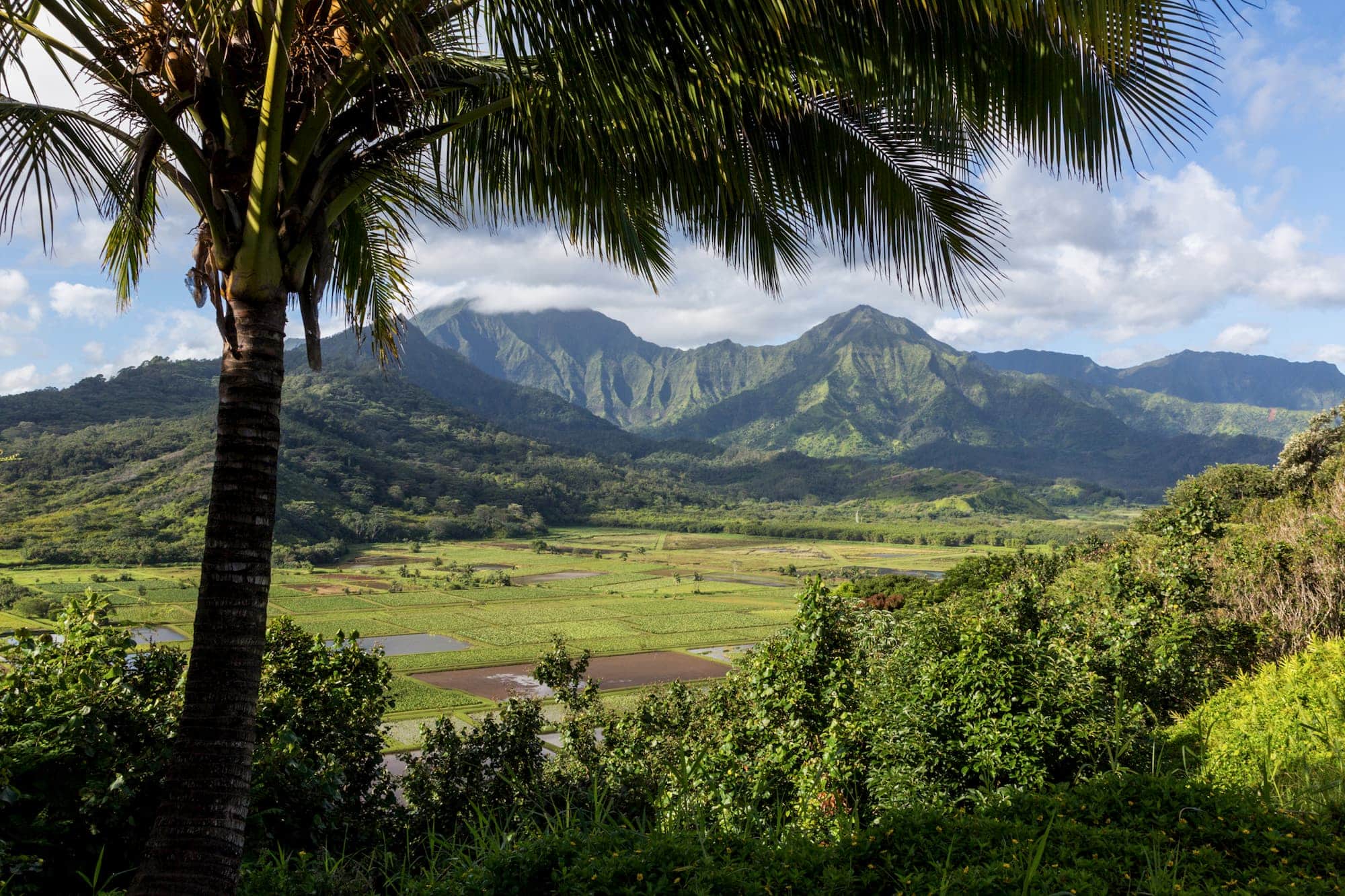
Traditional Hawaiian Taro fields stretch out in the valleys inland of Hanalei on Kauaʻi. Image credit: Hawaii Tourism Authority (HTA) / Tor Johnson
All Hawaiian islands compared: Oʻahu vs. Maui vs. Kauaʻi vs. the Big Island
For more nuance and a one-to-one comparison of our islands, see our island comparison articles: